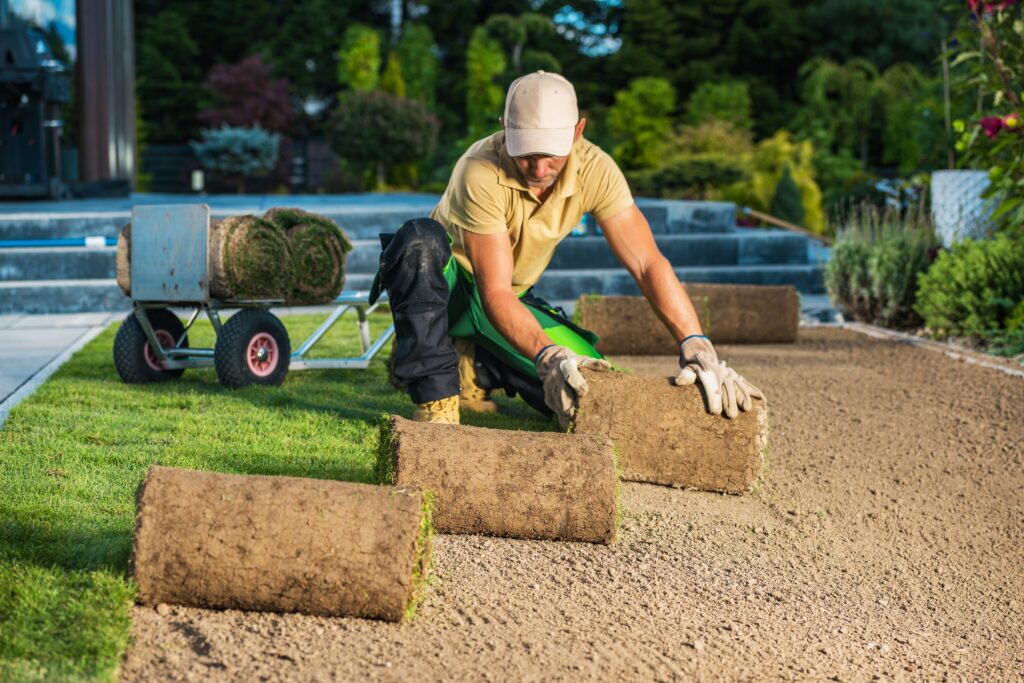
Commercial property landscaping in Denver requires a strategy that accounts for extremes—not just aesthetics. Unlike milder climates, the Denver region brings rapid temperature swings, low humidity, intense sun exposure, and heavy snow during the winter months. These conditions directly impact how a commercial landscape performs over time.
For property managers and business owners, this means landscaping decisions aren’t just about appearance—they’re about durability, safety, and long-term costs. A poorly planned landscape can lead to higher maintenance, plant failure, irrigation issues, and even hazards around sidewalks and parking lots during freeze/thaw cycles.
Denver’s semi-arid climate also creates challenging soil conditions. Compacted soil, low moisture retention, and high clay content can make it difficult for plants to establish strong root systems. Without proper planning, even newly installed landscaping can struggle to survive through the full growing season.
Snow is another major factor. Snow removal operations, ice buildup, and snow storage all impact how a commercial property’s landscape holds up during the winter. Trees, shrubs, and turf areas near high-traffic zones—especially around parking areas and building entrances—are often the first to experience damage if they’re not designed with winter in mind.
This is why effective landscape management starts with understanding how all seasons interact. A landscape that looks great in mid-summer but fails during winter creates unnecessary costs and ongoing maintenance issues.
The goal for any commercial landscape should be balance:
- Strong curb appeal during peak seasons
- Low maintenance demands year-round
- Durable materials and plant selection
- Safe, accessible spaces for employees and customers
Ultimately, successful commercial property landscaping in Denver is about creating a landscape that works as an investment—not a liability. When done correctly, it protects property value, supports a professional appearance, and reduces the need for constant reactive maintenance.
Planning a Commercial Property Landscape That Works Year-Round
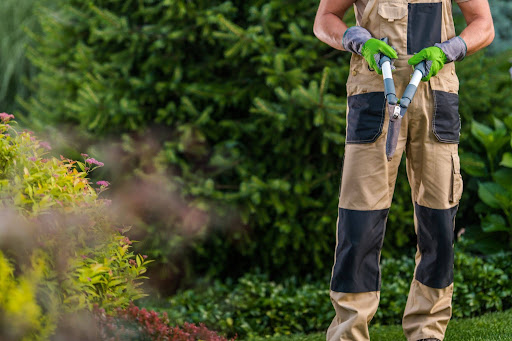
Planning a commercial property landscape starts with understanding how the site will perform across every season—not just during the growing season. A well-thought-out plan reduces maintenance, improves safety, and ensures the landscape remains functional from early spring through the winter months.
The first step is evaluating the site. This includes sun exposure, drainage patterns, soil conditions, and how people interact with the space. High-traffic areas like sidewalks, entry points, and parking lots require more durable materials and strategic layout decisions to prevent wear and safety issues over time.
For commercial properties, usage matters just as much as appearance. Landscapes should support how the property operates daily:
- Clear access points for employees and customers
- Defined walkways that remain safe during snow and ice
- Open visibility around parking areas for safety
- Functional green spaces that enhance the environment without creating maintenance burdens
Zoning the landscape is a critical part of the planning process. Instead of treating the entire property the same, break it into sections based on use:
- High-traffic zones: Focus on hardscaping, low-maintenance plants, and durability
- Decorative zones: Use shrubs, ornamental grasses, and structured landscaping design to enhance curb appeal
- Buffer areas: Incorporate trees and plant groupings to soften building edges and improve the overall environment
A strong landscaping design also considers long-term maintenance from the start. This means choosing layouts and materials that are efficient to maintain—reducing mowing, simplifying irrigation management, and limiting areas that require constant upkeep.
Seasonality should guide every decision. For example:
- In early spring, landscapes need to recover quickly from winter damage
- During mid-summer, irrigation and plant resilience become critical
- In fall, preparation for snow and freezing temperatures begins
- In winter, snow removal and storage must be accounted for without damaging the landscape
By planning for all of these phases upfront, property managers can avoid costly adjustments later. The result is a commercial property landscape that not only looks attractive but continues to perform reliably year after year—supporting both the business and the people who use the space daily.
Smart Landscaping Design Strategies for Denver’s Climate
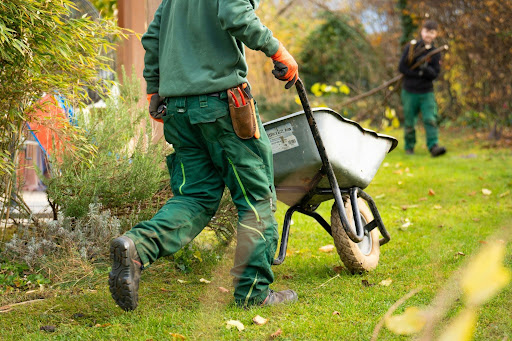
Effective landscaping design in Denver isn’t just about making a property look attractive—it’s about creating a commercial landscape that can handle constant environmental stress while maintaining a professional appearance.
One of the most important principles is balance. A successful commercial landscape blends greenery, hardscaping, and open space in a way that supports both durability and visual appeal. Overloading a property with turf or delicate plants often leads to higher maintenance costs and inconsistent results, especially in Denver’s dry climate.
Instead, focus on creating structured, intentional spaces. This includes:
- Using defined planting beds with shrubs and ornamental grasses that can handle heat and limited water
- Incorporating hardscape features like patios, walkways, and stone borders to reduce wear in high-traffic areas
- Designing clean lines and symmetry to enhance curb appeal and reinforce a professional appearance
Another key factor is designing with function in mind. Commercial properties serve employees, clients, and customers daily, so the landscape should support how people move through the space. This means:
- Clear pathways that connect parking areas to building entrances
- Open sightlines for safety and visibility
- Durable surfaces that hold up under foot traffic and snow
Plant placement also plays a major role in long-term performance. Grouping plants with similar water and sunlight needs improves irrigation management and helps maintain plant health throughout the growing season. It also simplifies ongoing care, making the landscape easier to maintain efficiently.
Designing for Denver also means accounting for environmental exposure. Wind, sun intensity, and sudden temperature drops can impact plant performance and soil moisture. Strategic placement of trees and shrubs can help protect vulnerable areas while improving the overall environment around the building.
Ultimately, strong landscaping design is about creating a system—not just a layout. When done correctly, it supports landscape management, reduces maintenance demands, and helps commercial properties maintain a consistent, high-quality appearance year-round.
Choosing the Right Plants for a Commercial Landscape
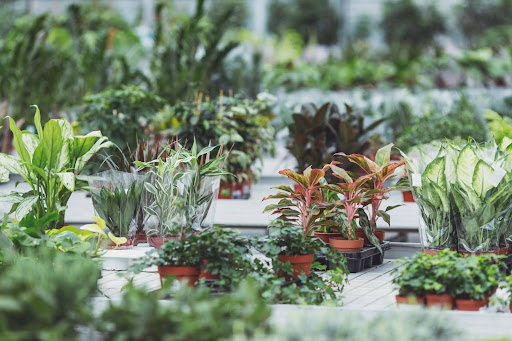
Plant selection is one of the most important decisions in commercial property landscaping. The wrong plants can drive up maintenance costs, require constant replacement, and struggle to survive through Denver’s dry climate and harsh winter months.
The goal is to choose plants that are adapted to the local environment while still supporting a clean, professional appearance. This means choosing plants that can handle temperature swings, limited water, and variable soil conditions without constant intervention.
Native plants are often the best place to start. Because they are naturally suited to Denver’s climate, they typically require less water, fewer inputs, and less ongoing care. They also tend to be more resilient throughout the full growing season, from early spring through fall.
In addition to native options, drought-tolerant species should be a priority for any commercial landscape. These plants are better equipped to handle mid-summer heat and periods of limited rainfall, reducing the strain on irrigation systems and lowering long-term costs.
For structure and visual consistency, many commercial properties benefit from incorporating:
- Ornamental grasses for texture and movement
- Shrubs for defined planting beds and year-round structure
- Trees for shade, wind protection, and scale
Tree care is especially important in commercial settings. Trees not only enhance curb appeal, but they also improve the overall environment by providing shade and helping regulate temperature around the building. However, they must be selected and placed carefully to avoid conflicts with sidewalks, parking areas, and underground systems.
It’s also important to avoid plants that require excessive watering or delicate care. In Denver, this often means limiting high-maintenance turf areas and focusing on plant groupings that can thrive with efficient irrigation management.
Ultimately, strong plant selection means choosing plants that align with the realities of the climate—not just the desired look. When done correctly, it results in a landscape that stays vibrant, supports property value, and reduces the need for constant replacement or intervention.
Improving Curb Appeal Without Increasing Maintenance Demands

Curb appeal plays a major role in how a commercial property is perceived. For businesses, healthcare facilities, and office buildings, the exterior environment often shapes first impressions before anyone steps inside. The challenge in Denver is achieving an attractive, professional appearance without creating ongoing maintenance issues or unnecessary costs.
The key is designing for consistency—not complexity. A clean, well-structured landscape will always outperform one that relies on constant upkeep to look presentable.
What Drives Strong Curb Appeal in Commercial Landscapes
To improve curb appeal while keeping maintenance low, focus on these core elements:
- Defined edges and clean lines
- Sharp borders between planting beds, sidewalks, and parking areas create a polished look with minimal effort
- Layered plant groupings
- Use a mix of shrubs, ornamental grasses, and trees to add depth without relying on high-maintenance flowers
- Consistent plant selection
- Repeating the same plants across the property creates a cohesive, professional appearance
- Seasonal structure
- Incorporate plants that maintain form and color beyond the peak growing season
- Balanced hardscape elements
- Patios, stone features, and walkways reduce turf areas and add durability
Low-Maintenance Design Choices That Still Look High-End
If the goal is to maintain a strong visual impact without increasing landscape maintenance, prioritize:
- Low-maintenance plant varieties that thrive in Denver’s climate
- Turf areas to limit mowing and irrigation needs
- Mulch or rock beds to retain moisture and suppress weeds
- Strategic lighting to highlight key areas without adding upkeep
Common Curb Appeal Mistakes to Avoid
Many commercial properties unintentionally increase maintenance demands by overdesigning their landscape. Watch out for:
- Overuse of seasonal flowers that require frequent replacement
- Complex layouts that are difficult to maintain consistently
- High-water plants that struggle in Denver’s dry conditions
- Poor spacing that leads to overcrowding and unhealthy plants
Irrigation Management Tips for Water Efficiency
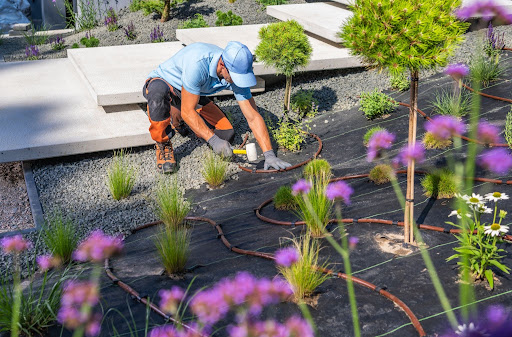
Water management is one of the biggest challenges in commercial property landscaping in Denver. With dry conditions, inconsistent rainfall, and increasing pressure to conserve water, inefficient irrigation can quickly drive up costs and lead to poor plant performance.
A well-designed irrigation system—and consistent irrigation system maintenance—are essential for keeping a commercial landscape healthy without wasting resources.
Key Irrigation Management Principles for Denver Properties
To improve irrigation management and reduce water usage, focus on these fundamentals:
- Match water delivery to plant needs
- Group plants with similar water requirements together to avoid overwatering or underwatering
- Use the right system for the right area
- Drip irrigation works well for planting beds and shrubs, while traditional systems may be better for limited turf areas
- Adjust watering schedules seasonally
- Early spring, mid-summer, and fall all require different watering strategies based on temperature and moisture levels
- Monitor soil conditions regularly
- Overwatering is just as harmful as drought, especially in compacted soils common in Denver
Smart Upgrades That Improve Efficiency
Modern irrigation systems offer tools that make water usage more efficient and easier to manage:
- Smart controllers that adjust watering based on weather and temperature
- Moisture sensors that prevent unnecessary watering
- Zoned systems that allow different areas of the property to be watered independently
These upgrades not only reduce water waste but also support long-term plant health and lower operational costs.
Common Irrigation Mistakes to Avoid
Even well-designed systems can become inefficient without proper oversight. Watch for:
- Watering during peak heat, leading to evaporation loss
- Runoff from overwatering, especially near sidewalks and parking areas
- Uneven coverage that leaves some areas dry and others oversaturated
- Lack of regular inspection and maintenance
The Role of Parking Lots in Commercial Landscape Planning
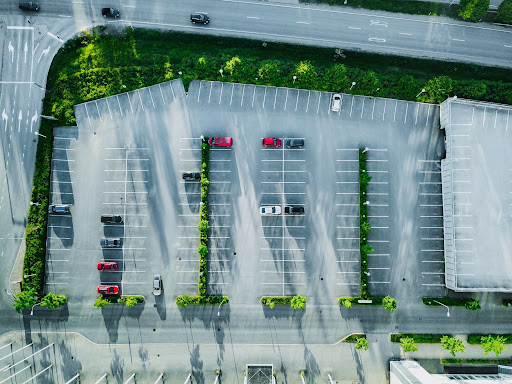
Parking lots are one of the most heavily used—and often overlooked—areas of a commercial property landscape. While they’re designed for function, how they’re planned and integrated into the overall landscape directly impacts safety, durability, and long-term maintenance.
In Denver, parking areas also influence how a property handles snow, drainage, and daily wear. Without proper planning, these spaces can quickly become a source of damage, higher costs, and ongoing repairs.
One of the biggest considerations is traffic. Vehicles, foot traffic, and snow removal equipment all put stress on nearby landscape areas. This means plant placement and material selection around parking zones must prioritize durability and protection.
Key Considerations for Landscaping Around Parking Lots
To ensure parking areas support—not damage—the landscape, focus on:
- Durable plant placement
- Position trees and shrubs away from high-impact zones to prevent damage from vehicles and equipment
- Defined landscape islands
- Break up large parking areas with structured planting zones that improve both aesthetics and organization
- Clear edges and transitions
- Maintain clean separations between parking, sidewalks, and landscape areas to reduce wear and improve safety
- Designated snow storage areas
- Plan where snow will be pushed during winter to avoid damaging plants, soil, and irrigation systems
- Proper drainage planning
- Ensure water flows away from parking surfaces to prevent pooling, ice buildup, and erosion
The Bottom Line
Parking areas are more than just functional—they’re a key part of the overall commercial landscape.
When designed correctly, they:
- Support safe and efficient movement throughout the property
- Protect surrounding landscape features from damage
- Reduce maintenance issues tied to snow, traffic, and drainage
- Contribute to a cleaner, more professional appearance
Landscape Maintenance Strategies That Reduce Long-Term Costs
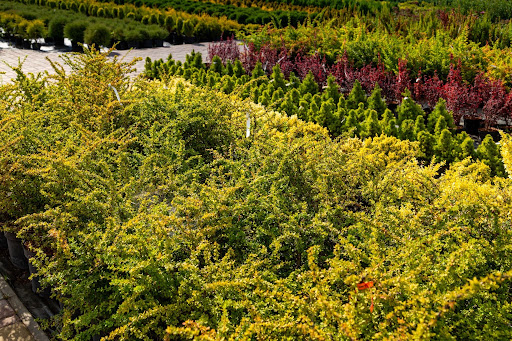
For commercial properties, landscape maintenance isn’t just an operational task—it’s a major factor in controlling long-term costs and protecting property value. Without a clear plan, maintenance becomes reactive, leading to inconsistent results, higher expenses, and unnecessary repairs.
The goal of effective landscape maintenance is to stay ahead of issues, not respond to them after they happen.
Preventative Maintenance vs. Reactive Maintenance
A proactive approach to landscape maintenance focuses on routine care that keeps the entire landscape performing as intended. This includes regular inspections, seasonal adjustments, and consistent upkeep across the property.
In contrast, reactive maintenance often results in:
- Replacing damaged plants instead of preserving healthy ones
- Fixing irrigation issues after water has already been wasted
- Addressing safety concerns only after they become a liability
Preventative strategies reduce these risks and help maintain a more consistent, professional appearance.
Key Maintenance Practices That Control Costs
To improve efficiency and reduce long-term expenses, commercial properties should focus on:
- Routine mowing and trimming
- Keeping grass, shrubs, and trees properly maintained prevents overgrowth and reduces the need for major corrections
- Consistent irrigation system maintenance
- Regular inspections help identify leaks, inefficiencies, and coverage issues before they impact plant health
- Seasonal cleanup and preparation
- Preparing the landscape for spring, summer, fall, and winter ensures it performs well year-round
- Tree care and pruning
- Proper tree care improves safety, prevents damage, and supports long-term plant health
- Weed and soil management
- Maintaining healthy soil conditions reduces competition for nutrients and supports stronger plant growth
Why Consistency Matters
Inconsistent maintenance is one of the biggest reasons commercial landscapes decline over time. Skipping routine care often leads to:
- Increased costs later due to corrective work
- Declining curb appeal and a less professional appearance
- Greater strain on irrigation systems and plant health
A consistent maintenance schedule ensures the landscape remains stable and predictable, both visually and operationally.
Supporting Property Managers and Budgets
For property managers, maintenance planning is also about budget control. A structured landscape management plan makes it easier to:
- Forecast costs
- Avoid unexpected repairs
- Maintain consistent standards across the property
- Deliver a better experience for tenants, employees, and customers
The Bottom Line
Strong landscape maintenance is about efficiency, consistency, and long-term thinking.
By focusing on preventative care and structured planning, commercial properties can:
- Reduce ongoing maintenance costs
- Extend the life of their landscape investment
- Maintain a clean, professional environment year-round
- Avoid unnecessary disruptions and repairs
Landscape Management Tips for Property Managers
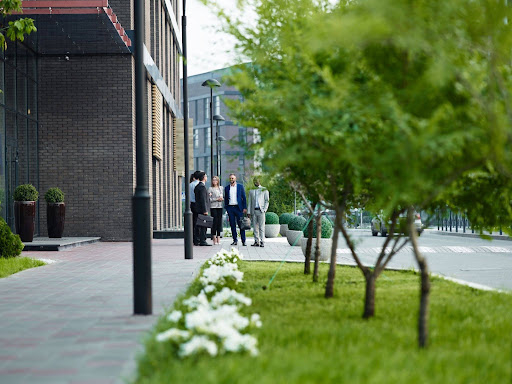
For property managers, managing a commercial landscape goes beyond appearance—it’s about maintaining consistency, controlling costs, and ensuring the property supports daily operations. Without a structured approach to landscape management, even well-designed spaces can quickly become inconsistent and expensive to maintain.
In Denver, where seasonal shifts and climate conditions add complexity, having a clear plan in place is essential. Landscape management should align with the needs of the property, the expectations of tenants or customers, and the realities of the environment.
One of the most important factors is coordination. Landscaping services, snow removal, irrigation management, and seasonal maintenance all need to work together. When these services operate independently without a unified plan, it often leads to inefficiencies, missed tasks, and unnecessary costs.
Key Landscape Management Priorities
To maintain a high-performing commercial property landscape, property managers should focus on:
- Establishing a clear commercial landscape maintenance plan
- Outline expectations for mowing, irrigation, seasonal cleanup, and ongoing care to keep the property consistent
- Coordinating services across seasons
- Ensure landscaping, snow removal, and maintenance efforts are aligned year-round
- Monitoring landscape performance
- Regularly assess plant health, irrigation efficiency, and overall appearance to catch issues early
- Managing budgets proactively
- Plan for both routine maintenance and seasonal needs to avoid unexpected costs
- Working with experienced providers
- Partner with a team that understands Denver’s climate and commercial property requirements
The Impact of Strong Landscape Management
A well-managed landscape supports more than just appearance—it directly affects how a property is experienced by tenants, employees, and customers. Consistent upkeep helps maintain curb appeal, reinforces a professional appearance, and ensures the property remains safe and accessible.
It also improves efficiency. When maintenance, irrigation, and seasonal services are managed together, it reduces duplication of work and keeps the landscape performing as intended.
The Bottom Line
Effective landscape management is about structure, consistency, and long-term planning.
When property managers take a proactive approach, they can:
- Maintain a reliable, attractive environment year-round
- Reduce maintenance disruptions and unexpected issues
- Keep costs predictable and under control
- Support the overall value and performance of the property
Work with Denver Lawn & Snow Care for Commercial Landscaping Solutions
Commercial property landscaping in Denver requires a strategy built for the local climate and year-round demands. The right approach helps protect your property, reduce maintenance costs, and maintain a professional appearance.
Denver Lawn & Snow Care works with property managers and businesses to deliver practical, durable landscaping solutions—from design and maintenance to irrigation management and snow removal.
Contact us to build a plan that works for you!