
Denver’s climate creates unique challenges for building owners. From intense summer heat to sudden winter storms, each season brings unique challenges that can have a significant impact on your commercial property.
Unlike milder climates, Denver experiences rapid freeze-thaw cycles, spring rains, summer heat, and periods of extreme cold. Without a proactive approach to seasonal commercial property maintenance, small issues can quickly turn into costly repairs.
For commercial property managers and property owners, this isn’t just about appearance — it’s about protecting business operations, ensuring safety, and preserving long-term property value.
Why Denver Requires a Comprehensive Maintenance Schedule
A comprehensive maintenance schedule helps:
- Retain and increase the value of your property
- Prevent freezing of water pipes and irrigation systems
- Ensure proper drainage before spring rains arrive
- Reduce liability issues related to parking lot hazards
- Improve curb appeal for tenants and visitors
Because temperatures drop quickly in Colorado, seasonal challenges escalate fast. Regular inspections and proper maintenance can mean the difference between routine service and serious damage.
Seasonal Maintenance Supports Business Continuity
For many properties, operational downtime is more expensive than the repair itself.
A proactive property maintenance strategy:
- Reduces maintenance requests
- Protects building exteriors
- Improves tenant satisfaction
- Supports energy efficiency
Spring Exterior Maintenance Checklist for Commercial Buildings
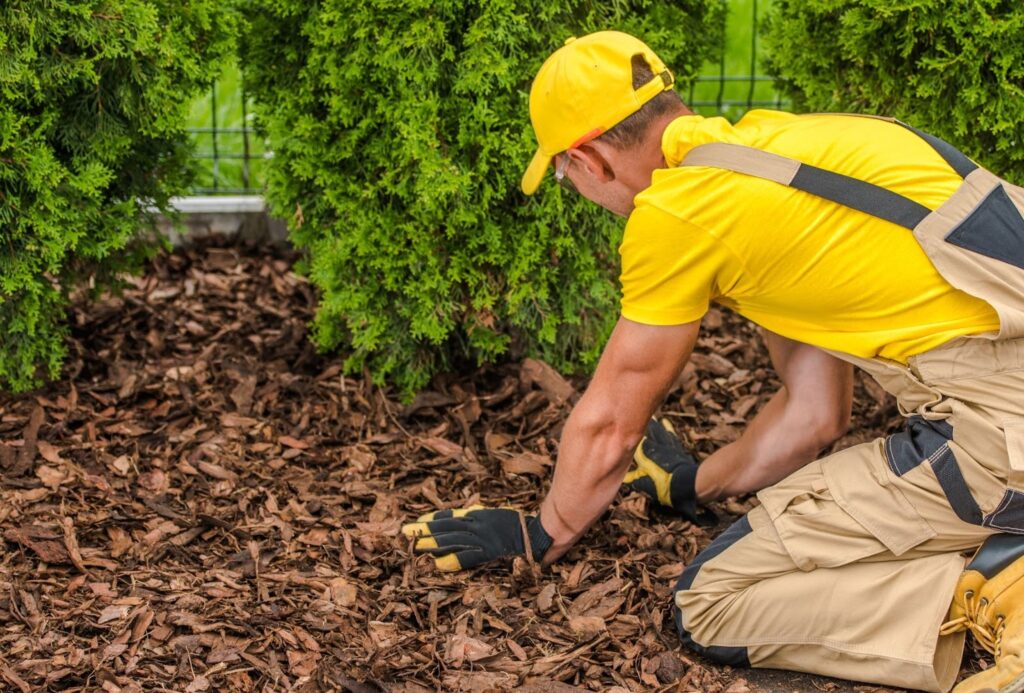
Spring maintenance is one of the most important seasons for landscaping-focused seasonal commercial property maintenance in Denver. After months of winter weather, commercial properties often show signs of turf damage, compacted soil, broken irrigation systems, and neglected planting beds.
For commercial property managers, spring is about restoring curb appeal, protecting plant health, and setting the stage for strong growth heading into summer.
Below is a landscaping-focused checklist tailored to Denver’s climate.
1. Spring Landscape Cleanup
Winter leaves behind debris that can suffocate turf and damage plantings. Early cleanup ensures healthy regrowth.
Spring maintenance should include:
- Removing debris, trash, and sand buildup
- Clearing leaf removal remnants from turf and beds
- Cutting back ornamental grasses
- Removing dead plants from flower beds
- Pruning damaged trees and shrubs
These maintenance efforts immediately improve curb appeal and prepare the landscape for new growth.
2. Irrigation System Inspection and Startup
Colorado winters are hard on irrigation systems. Before regular watering begins, a full system inspection is essential.
Spring irrigation maintenance should include:
- Inspecting irrigation systems for broken sprinkler heads
- Testing water pressure and zone coverage
- Checking valves and controllers
- Identifying leaks that could increase energy costs or water waste
3. Turf Recovery and Soil Preparation
Freeze-thaw cycles and snow compaction often weaken turf health. Spring is a critical time to repair winter damage.
Turf-focused seasonal maintenance includes:
- Core aeration to relieve soil compaction
- Overseeding thin or damaged areas
- Applying early-season fertilizer
- Spot treatment for emerging weeds
These steps help restore turf density and protect long-term property value across many properties.
4. Mulching and Bed Refresh
Flower beds and landscaped areas benefit from fresh mulch each spring.
Spring bed maintenance should include:
- Removing old, compacted mulch
- Installing fresh mulch to retain moisture
- Redefining bed edges for clean lines
- Preparing seasonal color installations
Maintaining well-defined beds enhances building exteriors and reinforces a professional image for tenants and visitors.
5. Parking Lot and Landscape Edge Cleanup
While structural parking lot work may fall outside the landscaping scope, exterior maintenance teams play an important role in cleanup and presentation.
Spring efforts should include:
- Clearing debris from curbs and landscaped islands
- Cleaning buildup along parking lot edges
- Ensuring proper drainage around hardscape areas
- Identifying areas where faded lines may impact landscape visibility
Spring is more than cleanup — it sets the foundation for successful seasonal commercial property maintenance throughout the year. When done properly, spring landscaping reduces maintenance requests, supports healthy growth, and strengthens tenant satisfaction.
Summer Property Maintenance for Peak Curb Appeal

Summer heat in Denver brings a different set of seasonal challenges. High temperatures, intense sun exposure, and inconsistent rainfall can stress turf, trees, and irrigation systems quickly. For commercial property managers, summer is about preserving curb appeal, protecting plant health, and maintaining safe, clean outdoor environments.
1. Irrigation Monitoring and Water Management
As summer heat intensifies, irrigation systems must be carefully monitored to prevent turf damage and water waste.
Key summer maintenance tips include:
- Adjusting irrigation schedules based on temperatures and rainfall
- Inspecting irrigation systems for broken sprinkler heads
- Monitoring coverage to ensure proper drainage
- Preventing overspray onto sidewalks and parking lot surfaces
Efficient watering not only supports plant health but also controls energy consumption and long-term energy costs for commercial buildings.
2. Turf Health and Heat Stress Prevention
Prolonged summer heat can thin turf and create bare patches, especially in high-traffic areas.
Ongoing seasonal maintenance should include:
- Monitoring turf color and density
- Spot treating stress areas
- Adjusting mowing height during summer heat
- Scheduling regular maintenance to maintain healthy growth
3. Tree and Shrub Management
Trees and shrubs require close attention during the summer months to prevent decline.
Maintenance efforts should focus on:
- Inspecting trees and shrubs for pest damage
- Trimming overgrowth impacting walkways
- Removing damaged branches before storms
- Supporting young plantings during periods of extreme cold fluctuation (early/late season shifts)
4. Parking Lot and Perimeter Presentation
Summer is also ideal for enhancing visibility and safety in exterior spaces.
Landscaping teams should:
- Maintain landscaped islands within the parking lot
- Repaint faded lines if visibility has declined
- Clear debris buildup along curbs (not including hazardous materials such as needles)
- Ensure safety along pedestrian walkways
These details reduce liability issues and support professional presentation for commercial property managers overseeing many properties.
5. Monitor Drainage and Storm Impact
Summer thunderstorms can create sudden runoff challenges.
Ongoing exterior maintenance should ensure:
- Proper drainage away from foundations
- Clear stormwater pathways
- No erosion near landscaped areas
Fall Preventative Maintenance Before Denver’s First Freeze

As temperatures drop and colder weather approaches, landscaping must transition from growth mode to protection mode. Without proactive preventative maintenance, irrigation systems, turf, and plantings can suffer serious damage during the winter months.
1. Irrigation Blowouts and System Winterization
One of the most important fall maintenance tasks is preparing irrigation systems before temperatures drop below freezing.
Fall seasonal maintenance should include:
- Fully draining irrigation systems
- Clearing water pipes to prevent freezing
- Shutting down controllers
- Inspecting for broken sprinkler heads before winter
Failing to properly winterize systems can lead to burst water pipes and costly repairs in spring.
2. Leaf Removal and Landscape Cleanup
As leaves accumulate, they can smother turf and block drainage systems.
Comprehensive fall maintenance efforts should include:
- Scheduled leaf removal
- Clearing debris from landscaped beds
- Removing dead plants
- Cutting back perennials
- Preparing flower beds for winter months
Keeping landscapes clean improves curb appeal and reduces liability issues caused by slippery surfaces.
3. Turf Preparation for Winter
Proper fall maintenance strengthens turf before it enters dormancy.
Key tasks include:
- Late-season fertilization
- Core aeration (if not completed in spring)
- Addressing thin areas
- Adjusting mowing height before winter
4. Tree and Shrub Pruning
Heavy snow and ice accumulation can cause structural damage to weakened trees and shrubs.
Fall exterior maintenance should include:
- Pruning weak or damaged branches
- Removing overgrowth near walkways
- Supporting vulnerable trees and shrubs
5. Ensure Proper Drainage Before Winter
As colder weather sets in, drainage becomes even more important.
Fall is the time to:
- Ensure proper drainage around landscaped areas
- Clear debris from storm channels
- Confirm grading supports runoff control
When snow and ice melt, properly maintained drainage systems help prevent flooding and long-term structural damage.
Winter Essential Seasonal Maintenance Tips for Safety and Liability

Winter weather in Denver presents some of the most demanding seasonal challenges for commercial properties. Snow accumulation, extreme cold, and repeated freeze-thaw cycles can create hazardous conditions quickly. For commercial property managers and property owners, winter maintenance is not optional — it is essential to ensure safety and protect against liability issues.
During the winter months, landscaping teams shift from growth and aesthetics to snow and ice management, hazard prevention, and property protection.
1. Proactive Snow Removal Planning
Winter storms can disrupt business operations and create dangerous conditions overnight. A proactive snow removal plan ensures safety and continuity.
Key winter maintenance efforts include:
- Clearing sidewalks and entry points promptly
- Plowing the parking lot to maintain access
- Maintaining clear fire lanes and evacuation procedures
- Monitoring snowfall accumulation during active storms
2. Ice Management and Slip Prevention
Snow and ice are among the leading causes of slip and fall accidents on commercial properties.
Effective ice management should include:
- Pre-treating surfaces before storms
- Applying de-icing materials after snow removal
- Monitoring shaded areas where ice lingers
- Addressing refreeze conditions as temperatures fluctuate
3. Protecting Landscapes During Extreme Cold
Landscaping doesn’t disappear in winter — it requires protection.
Winter seasonal maintenance should include:
- Protecting vulnerable trees and shrubs
- Preventing damage from snow piles
- Monitoring for exposed pipes near landscaped areas
- Inspecting areas prone to ice dams that may impact surrounding beds
4. Maintaining Clear Drainage During Freeze-Thaw Cycles
Even during winter months, drainage systems must function properly.
When temperatures drop and rise repeatedly, melting snow can refreeze and create hazards.
Winter maintenance should ensure:
- Clear runoff paths
- No blocked drainage systems
- Controlled melting near walkways
5. Ongoing Monitoring Throughout the Winter Months
Regular inspections throughout the season should include:
- Identify snow buildup risks
- Monitor ice accumulation
- Adjust maintenance efforts based on changing weather patterns
Property Maintenance Planning for Commercial Property Managers

For commercial property managers overseeing many properties, seasonal maintenance is more than a checklist — it’s a strategic planning tool. Without a comprehensive maintenance schedule, seasonal challenges can quickly turn into reactive service calls, frustrated tenants, and unnecessary costs.
Build a Comprehensive Maintenance Schedule
A proactive seasonal maintenance plan should outline:
- Spring maintenance priorities like irrigation startup and landscape cleanup
- Summer turf and irrigation monitoring
- Fall maintenance including leaf removal and winterization
- Winter snow and ice management response plans
Shift From Reactive to Preventive Maintenance
Reactive service often results in costly repairs and service disruptions. Preventative maintenance helps reduce the likelihood of:
- Turf loss from unmanaged irrigation issues
- Drainage failures after heavy spring rains
- Landscape damage during winter storms
- Safety hazards in the parking lot or walkways
Coordinate Around Business Operations
Maintenance should support — not disrupt — business operations.
Effective planning allows commercial property managers to:
- Schedule services during low-traffic hours
- Maintain safe access during snow events
- Minimize disruptions to tenants
- Maintain consistent curb appeal across many properties
A structured seasonal commercial property maintenance plan ensures landscapes remain professional, safe, and welcoming throughout the year.
Improve Tenant Satisfaction Through Consistency
Landscaping directly impacts tenant satisfaction. Well-maintained grounds signal professionalism and care.
Regular maintenance and exterior maintenance efforts:
- Reduce complaints
- Improve first impressions
- Demonstrate proactive property management
- Support long-term tenant retention
Year-Round Property Maintenance Strategy for Denver Businesses

In Denver, property maintenance is not a seasonal luxury — it’s a year-round task that requires planning, consistency, and local expertise. Because each season brings unique challenges, commercial properties that rely on “spur-of-the-moment” service often face higher energy costs, unexpected repairs, and avoidable liability issues.
Connect Seasonal Services Into One Cohesive Plan
Rather than treating spring maintenance, fall maintenance, and winter snow services as separate projects, successful commercial property managers integrate them into one comprehensive maintenance schedule.
This approach allows property owners to:
- Anticipate seasonal challenges before they escalate
- Prevent freezing damage to irrigation systems and water pipes
- Avoid serious damage during extreme cold
- Protect trees and shrubs through proper seasonal transitions
- Reduce costly repairs caused by delayed service
Protect Long-Term Property Value
Consistent seasonal maintenance has a significant impact on property value over time.
Professional landscaping and snow services:
- Preserve curb appeal across commercial buildings
- Protect building exteriors from water runoff issues
- Ensure proper drainage year-round
- Prevent major problems that arise from neglect
- Maintain safe parking lot access during winter months
Reduce Risk and Liability
Snow and ice, uneven turf edges, blocked drainage systems, and neglected landscaping can all lead to liability issues. A proactive exterior maintenance strategy helps:
- Ensure safety for tenants and visitors
- Reduce slip and fall accidents
- Maintain visibility with repainted faded lines
- Address maintenance tips before they become emergency service calls
Partner With Denver Lawn & Snow for Complete Exterior Maintenance
Seasonal commercial property maintenance in Denver requires local expertise and reliable service. Denver Lawn & Snow provides professional exterior maintenance tailored specifically for commercial properties — from spring cleanup and irrigation management to fall leaf removal and winter snow and ice services.With a proven track record serving commercial property managers across the Denver area, our team delivers proactive maintenance that protects property value, improves curb appeal, and reduces liability risks. Contact us today to build a customized seasonal maintenance plan for your commercial property.