How to Save Money on Commercial Property Maintenance | Denver, Colorado

For many commercial property owners, landscape maintenance can feel like a recurring cost center, a line item that must be managed, minimized, or trimmed when budgets tighten. But in Denver’s climate, commercial property maintenance should be viewed differently. When handled strategically, it becomes one of the most reliable tools to reduce costs and protect long-term asset value.
The difference lies in perspective.
Reactive property maintenance focuses on fixing problems after they occur. Proactive commercial property maintenance focuses on preventing those problems in the first place. And over the long run, that distinction determines whether a property experiences steady cost savings or ongoing emergency repairs.
The Hidden Cost of Reactive Landscaping Maintenance
When maintenance is deferred, small issues often become major repairs:
- Minor irrigation leaks turn into full pipe and turf replacement
- Unmanaged drainage causes erosion and landscape damage
- Delayed snow removal leads to liability claims
- Neglected landscaping results in costly repairs and full reinstallation
For commercial real estate portfolios, reactive decisions compound quickly across multiple commercial properties.
Preventive Maintenance Protects Your Budget
A structured preventive maintenance program allows property managers and facility managers to plan, budget, and prioritize based on risk rather than reacting to emergencies.
Preventive maintenance and regular inspections help:
- Identify potential issues early
- Avoid emergency work
- Extend the life of landscaping and equipment
- Improve operational efficiency
Maintenance Impacts Property Value and Tenant Satisfaction
For commercial property owners, landscape maintenance affects more than just appearance.
Consistent building maintenance:
- Improves curb appeal
- Supports tenant satisfaction
- Reduces liability exposure
- Maintains ADA compliance
- Protects overall property value
When landscaping and exterior areas are consistently maintained, tenants notice. A well-maintained property signals professionalism and long-term stability, which directly supports satisfaction and retention.
In Denver, Climate Amplifies Costs
Denver’s freeze-thaw cycles, intense summer heat, and sudden winter storms create conditions where deferred care becomes expensive quickly.
Proactive commercial property maintenance Denver strategies are specifically designed to prevent these escalations.
The True Maintenance Cost of Ignoring Small Problems
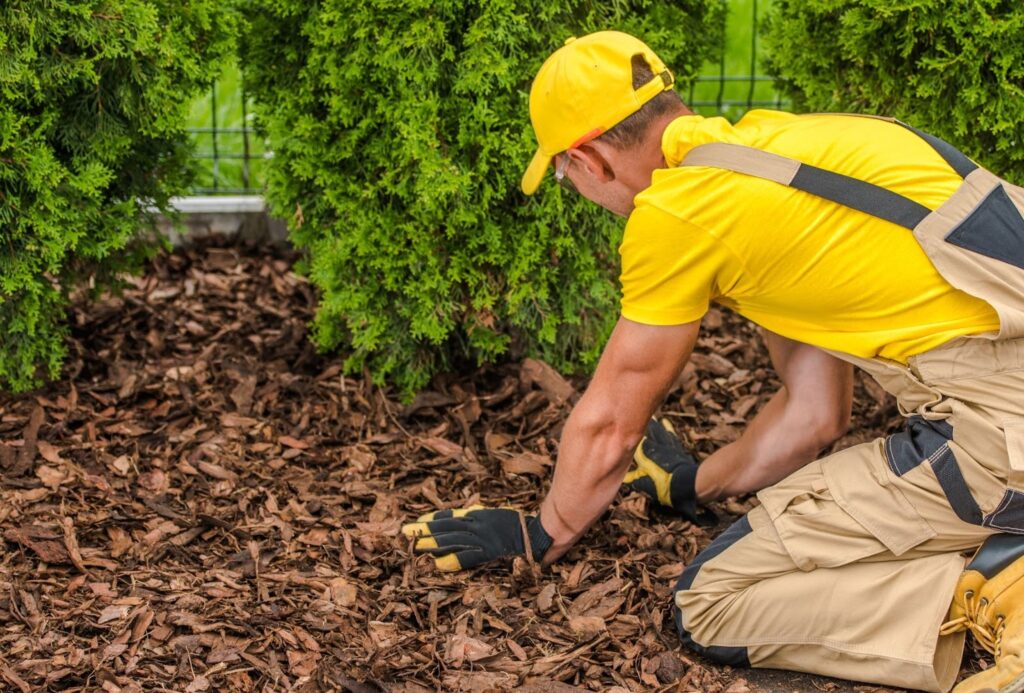
In commercial property maintenance, the most expensive issues are rarely the obvious ones. They start small, often unnoticed, and escalate over time. What begins as a minor landscape issue or irrigation malfunction can quickly become a major repair — especially in Denver’s unpredictable climate.
Small Issues Compound Quickly
Consider common scenarios across commercial properties:
- A clogged irrigation head increases water pressure and damages the surrounding turf
- Poor drainage creates erosion that weakens landscaped areas
- Untrimmed trees damage walkways or property, or obstruct parking lots
- Minor landscape neglect reduces curb appeal and property value
Left unaddressed, these small concerns often turn into costly repairs requiring full system replacements or emergency services.
The longer maintenance is postponed, the higher the total cost often becomes.
The Financial Difference: Planned vs. Reactive
A preventive maintenance program allows property owners to:
- Schedule services in advance
- Negotiate vendor contracts more effectively
- Prioritize based on data-driven decisions
- Avoid unexpected repairs
- Reduce maintenance costs over time
Reactive service, on the other hand, often feels unpredictable and inflated.
In the long run, commercial property maintenance strategies focused on prevention consistently outperform reactive approaches in both stability and total cost control.
Smart Strategies for Cost Reduction
If the goal is to reduce maintenance costs without sacrificing appearance or safety, the strategy must be intentional. Cost reduction in commercial properties isn’t about cutting corners, it’s about improving efficiency, timing, and coordination.
For commercial property owners and property managers in Denver, the most effective savings come from structured, data-driven planning.
1. Standardize a Preventive Maintenance Program
A formal preventive maintenance program creates predictability.
Instead of reacting to issues, property managers can:
- Establish scheduled maintenance cycles
- Conduct routine inspections
- Prioritize based on risk and seasonal timing
- Document maintenance management efforts
2. Consolidate Vendor Contracts
Managing multiple vendor contracts for landscaping, snow removal, irrigation, and mowing can inflate the total cost.
Consolidating services under one provider often:
- Reduces administrative overhead
- Eliminates duplicate site visits
- Improves communication
- Streamlines maintenance management
For commercial real estate portfolios, bundled services frequently lower overall maintenance costs while improving accountability.
3. Leverage Data-Driven Decisions
Today’s property management strategies increasingly rely on real-time data to improve outcomes.
Using data-driven decisions allows property managers to:
- Track maintenance expenses by property
- Identify recurring repair patterns
- Evaluate industry benchmarks
- Adjust services based on performance
4. Invest in Sustainable Practices
Sustainable practices are often misunderstood as an added expense. In reality, they frequently reduce long-term maintenance expenses.
Examples include:
- Efficient irrigation strategies to lower energy usage
- Recycling programs that reduce debris management costs
- Drought-tolerant landscaping to minimize water demand
Energy Efficiency Improvements for Commercial Properties
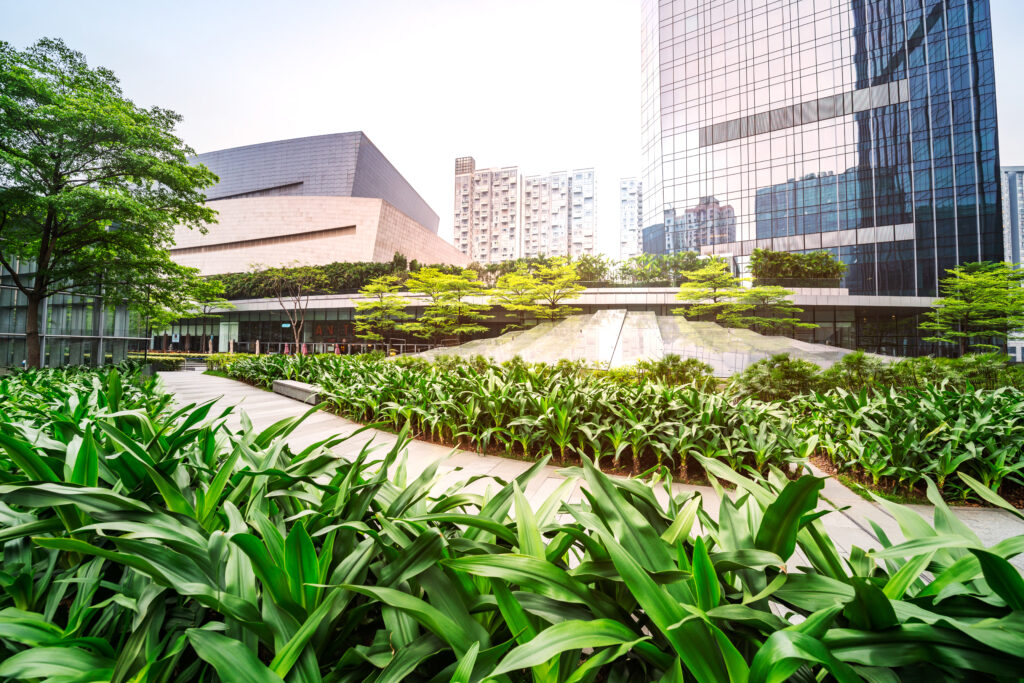
Landscaping plays a larger role in eco-conscious operations than many commercial property owners realize. Strategic exterior design can reduce energy usage, protect building systems, and lower long-term maintenance expenses, all while improving curb appeal.
For commercial properties in Denver, climate-forward landscaping decisions can meaningfully improve ESG goals and support long-term cost savings.
Strategic Tree Placement for Natural Temperature Control
Properly placed trees are one of the most effective energy efficiency improvements available through landscaping.
In summer, shade trees positioned along the south and west sides of a building can:
- Reduce heat gain through windows
- Lower interior cooling demand
- Protect building exteriors from prolonged sun exposure
In winter, deciduous trees allow sunlight through after leaves fall, helping regulate seasonal temperature shifts naturally.
Over time, this green transformation reduces energy consumption and eases strain on building systems.
Xeriscaping and Drought-Tolerant Design
Denver’s semi-arid climate makes water-efficient landscaping essential. Xeriscaping reduces water demand while maintaining a professional appearance.
Benefits include:
- Lower irrigation costs
- Reduced water usage
- Less strain on irrigation equipment
- Fewer repairs due to overwatering or soil erosion
By incorporating native plants and sustainable practices, commercial properties can reduce maintenance costs while displaying responsible business stewardship.
Smart Irrigation and Moisture Monitoring
Modern irrigation systems can significantly reduce energy usage when properly managed.
These upgrades require an upfront investment but typically reduce long-term maintenance costs and water-related repairs.
Improve Drainage to Protect Building Systems
Poor drainage doesn’t just damage landscaping, it can impact building systems and increase maintenance expenses.
Energy-efficient landscaping plans should:
- Ensure proper grading around foundations
- Prevent water pooling near entryways
- Direct runoff safely away from the building
Effective drainage reduces erosion, protects structural elements, and minimizes costly repairs.
Reduce Heat Retention in Parking Lots and Hardscape Areas
Large parking lots can trap heat, increasing ambient temperatures around commercial properties. Strategic landscaping around parking lots can reduce this effect.
Options include:
- Installing shade trees along parking rows
- Creating landscaped islands
- Using ground cover to reduce surface heat absorption
Lower surface temperatures can reduce cooling demands and improve overall comfort for tenants and visitors.
The Long-Term Impact on Total Cost
Energy efficiency in landscaping isn’t just about utility bills. It reduces maintenance expenses, extends the life of exterior systems, and supports property value.
When integrated into a comprehensive commercial property maintenance strategy, green transformation becomes a powerful tool for cost reduction — not just aesthetics.
Protecting Commercial Properties Through Preventive Planning
Preventive planning is where long-term cost savings truly begin. For commercial properties in Denver, structured preventive maintenance protects both the physical asset and the financial performance of the property.
Instead of treating maintenance as a reaction to problems, proactive planning shifts the focus toward protecting systems, improving efficiency, and extending the life of landscaping and exterior assets.
Start With Routine and Regular Inspections
Routine inspections and regular inspections are foundational to preventive maintenance. When conducted consistently, they allow property managers to detect potential issues early — before they become costly repairs.
Regular inspections help identify:
- Irrigation leaks that increase water usage
- Drainage issues that could damage landscaping
- Landscape wear in high-traffic areas
Plan for Seasonal Risk, Not Just Immediate Needs
Denver’s climate introduces predictable seasonal stressors. A preventive maintenance program anticipates these challenges instead of responding to them.
For example:
- Irrigation systems are winterized before freeze risk
- Landscaping is adjusted before peak summer heat
- Snow and ice services are planned before winter storms
Prioritize Based on Long-Term Impact
Not every maintenance task carries equal financial risk. Effective maintenance management means prioritizing based on:
- Safety exposure
- Impact on property value
- Likelihood of escalating into major repairs
- Effect on tenant satisfaction
When property managers prioritize based on risk and return, maintenance budgets are allocated more efficiently.
Reduce Liability and Protect Operations
Deferred maintenance often increases risk. Preventive maintenance helps:
- Reduce liability from unsafe exterior conditions
- Maintain ADA compliance
- Keep parking lots accessible and safe
- Protect building systems from landscape-related damage
For commercial real estate, preventative planning directly supports uninterrupted operations and stronger tenant retention.
When commercial property maintenance Denver strategies focus on preventative planning, maintenance shifts from reactive spending to strategic asset protection. The result is greater operational efficiency, fewer unexpected repairs, and stronger long-term financial performance.
Partner With Denver Lawn & Snow Care to Reduce Commercial Property Maintenance Costs
If you’re looking to reduce commercial property maintenance costs without sacrificing curb appeal or safety, the solution isn’t cutting services, it’s optimizing them.
Denver Lawn & Snow Care specializes in cost-effective commercial property maintenance plans that are designed specifically for Colorado’s climate. Our team works with commercial property owners and property managers to build structured, proactive maintenance programs that prevent costly repairs, reduce maintenance expenses, and improve long-term property value.
From landscaping and irrigation management to snow and ice services, Denver Lawn & Snow Care delivers predictable strategies that protect your property and your budget. Contact us today to develop a customized maintenance plan that supports both your operations and bottom line.